‘$’
On the Surface: Contrasting Songs, Connecting Emotions
At first glance, Dolly Parton’s iconic songs “I Will Always Love You” and “Jolene” seem like total opposites. Released just one year apart in 1973 and 1974 respectively, the songs differ greatly in musical style and lyrical theme. “I Will Always Love You” is a sweeping, emotive country-pop ballad about sacrifice and enduring love. Its lyrics poetically describe granting freedom to a departing lover while vowing never-ending devotion. In contrast, “Jolene” is a bluesy, impassioned plea to a rival seductress not to steal away Parton’s man. Its lyrics directly address an unnamed woman, begging her not to take her “man, even though you can.”
Beyond these surface differences, however, lies a surprising emotional core that deeply connects the two songs. Both explore the complexities, vulnerabilities, and dualities inherent in the human experience of love. Though approaching the topic from opposing angles, “I Will Always Love You” and “Jolene” ultimately shed light on the same profound truths: that love requires sacrifice, stirs deep-seated fears and insecurities, and is a messy mix of strength, pain, and complexity. Through her raw, emotive delivery and skillful songwriting, Parton taps into universal human emotions and relationships in a way that has resonated with audiences for decades.
Letting Go with Love
The first emotional connection between the songs lies in their exploration of sacrifice driven by love. “I Will Always Love You” poignantly portrays granting freedom to a departing lover as the ultimate sacrifice made for their happiness and growth. The lyrics describe “untying the knot” and “setting [them] free” despite knowing “how much it will hurt.” This mature understanding acknowledges that holding onto someone against their will damages the relationship. Rather than possessiveness, the character chooses to “wish [them] joy and happiness” as “the best thing I can do.”
This sacrifice stems from a deep, selfless love willing to endure pain for the other’s sake. Parton’s vulnerable delivery imbues the words with palpable ache, conveying how difficult yet necessary this choice is. Releasing someone you love deeply requires immense emotional strength, courage and maturity. The song celebrates love’s ability to compel such sacrifice through its portrayal of “wish[ing] [them] bluebirds in the spring” despite certain personal hurt.
Fear of Loss
‘$’
In contrast, “Jolene” explores the fear and insecurity that can arise alongside love through its portrayal of a woman desperately pleading with a rival not to steal her man. Beneath the fiery lyrics begging “Jolene” not to “take him just because you can” lies a vulnerable character gripped by anxiety about losing her partner to someone seemingly better. The song highlights love’s ability to stir deep fears related to inadequacy, abandonment, and being replaced—emotions all humans grapple with in relationships.
Parton’s raw vocal delivery adds nuance, conveying the character’s panic, insecurity and fragility beneath her defiant words. Her impassioned tone hints at unspoken questions of “Why would he choose her over me?” and “What does she have that I lack?” fueling the plea. The song taps into primal relationship anxieties and the very real pain of watching someone you’ve opened your heart to be swept away by another. Its depiction of love simultaneously empowering yet threatening resonates with any experience of deep vulnerability within a bond.
The Duality of Love
Though diametrically opposed in narrative approach, “I Will Always Love You” and “Jolene” both explore love’s dual capacity for profound strength and profound weakness. The former highlights love’s power to compel self-sacrifice for another’s well-being and growth, even at great personal cost. The latter acknowledges love’s ability to stir primal fears and insecurities that challenge confidence and security within a relationship.
Together, the songs capture love’s contradictory yet coexisting facets. It inspires courage and generosity of spirit while awakening fears surrounding abandonment, comparison and loss of control. Both extremes stem from opening one’s heart completely and tying identity to another’s presence, as relationships require. Parton’s songs acknowledge that love is not simply joy and passion, but also pain, uncertainty and vulnerability—a complex mix of uplifting and threatening emotions. They remind that relationships are messy, multi-layered human experiences containing light and darkness in constant flux.
Parton’s Raw Vulnerability
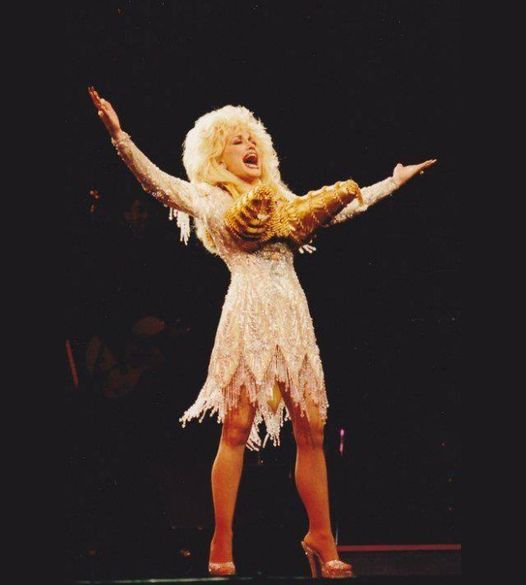
A key element connecting both songs lies in Parton’s raw, emotive delivery, which enhances their emotional resonance. In “I Will Always Love You,” her vulnerable, aching vocals bring the character’s pain to palpable life as she grants her lover freedom. The quiver in her voice hints at tears just barely held back, conveying the immense personal cost of such a sacrifice driven by love.
Likewise, in “Jolene” her impassioned yet fragile tone adds nuance to the character’s defiant words. Beneath the fiery plea lies a woman gripped by very real fears and insecurities, hinted at through Parton’s vulnerable delivery. Her desperate vocal inflections hint at a fragile confidence shaken by the threat of loss.
‘$’
Parton’s ability to lay bare profound vulnerability and emotive complexity through her voice is a hallmark of her artistry. She invites listeners directly into the rawest human experiences of relationships in a way that resonates universally. Her emotive delivery forms a powerful emotional bridge connecting the contrasting narratives of “I Will Always Love You” and “Jolene.” It enhances their exploration of love’s capacity both to empower through strength of spirit and dismantle through stirring of inner fragility.
A Lasting Emotional Connection
Though superficially different in musical style and lyrical approach, “I Will Always Love You” and “Jolene” ultimately explore deeply intertwined emotional truths about the human experience of love and vulnerability within relationships. Both acknowledge love’s capacity to compel self-sacrifice through its inspiring strength while stirring primal fears through exposing inner weakness. They highlight love’s contradictory yet coexisting facets of empowerment and fragility, courage and insecurity, that form its complex nature.
Parton’s raw, emotive delivery forms a powerful connection between the songs by inviting listeners into the deepest complexities of these universal human emotions. Through her vulnerable yet powerful vocals and skillful songwriting, she taps into love’s capacity to uplift through acts of generosity spirit while dismantle through stirring of inner doubts. Her artistry reminds that relationships are messy, multi-layered experiences containing light and darkness in constant flux. Nearly fifty years later, “I Will Always Love You” and “Jolene” have endured because of their profound ability to resonate with love’s contradictions and the human experiences they portray so universally.
‘$’